
Quick Answer
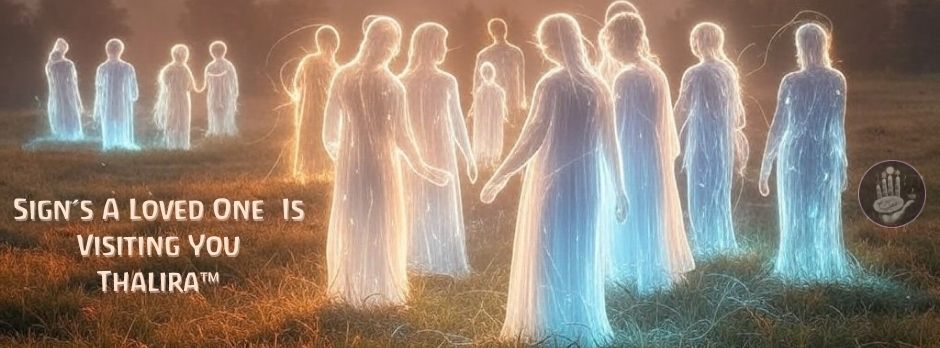
Signs a loved one is visiting you include vivid visitation dreams, unexplained familiar scents, finding feathers or coins in unusual places, flickering lights, feeling a gentle presence or touch, seeing butterflies or birds, and hearing meaningful songs at significant moments. Research shows 30 to 60 percent of bereaved people report these experiences, and they are considered a normal, healthy part of grief.
Table of Contents
- Understanding After-Death Communication
- Visitation Dreams: The Most Common Sign
- Physical Signs: Feathers, Coins, and Found Objects
- Sensory Signs: Scents, Touch, and Presence
- Electrical Phenomena and Technology Signs
- Animal Messengers and Nature Signs
- Music, Numbers, and Synchronicities
- Cross-Cultural Perspectives on Spirit Visitation
- Grief, Healing, and Continuing Bonds
- How to Stay Open to Signs
- When to Seek Professional Support
- Frequently Asked Questions
Key Takeaways
- After-death communication is remarkably common: Research estimates that 20 to 40 percent of people report at least one experience of contact from a deceased loved one, with some studies placing the figure as high as 60 percent among the bereaved.
- Visitation dreams differ from regular grief dreams: They feel unusually vivid and real, the deceased appears healthy and at peace, and you wake with a lasting sense of comfort rather than distress.
- Physical signs carry personal meaning: Feathers, coins, familiar scents, flickering lights, and animal appearances become meaningful through their timing and personal significance to the relationship you shared.
- These experiences are normal and healthy: Bereavement researchers and grief counsellors increasingly recognise sensory experiences of the deceased as a natural part of continuing bonds with those we have lost.
- Signs complement but do not replace grief support: While these experiences can bring comfort, professional grief counselling remains valuable for processing loss, especially when grief feels overwhelming or prolonged.
Understanding After-Death Communication
Losing someone you love is one of the most painful experiences a person can face. In the weeks, months, and years that follow, many people report something unexpected: small moments that feel like contact from the person they have lost. A familiar scent with no source. A dream so vivid it feels more real than waking life. A song that plays at exactly the right moment.
These experiences have a name. Researchers Bill and Judy Guggenheim coined the term "after-death communication" (ADC) in 1988 when they launched The ADC Project, one of the first systematic studies of these phenomena. Over seven years, they collected more than 3,300 firsthand accounts from 2,000 people who reported spontaneous contact from a deceased family member or friend.
Their findings were striking. The Guggenheims conservatively estimated that at least 60 million Americans, roughly 20 percent of the population, have had one or more ADC experiences. Some polls suggest the actual numbers may be double that figure. A European Values Study found that approximately 25 percent of Europeans, around 127 million people, reported similar experiences.
These are not rare or unusual events. They represent one of the most common forms of spiritual experience that people report across cultures, religions, and backgrounds. Whether you interpret them as genuine spirit communication, expressions of continuing love, or the mind's way of processing grief, signs a loved one is visiting you carry deep personal meaning for those who experience them.
This guide explores the most commonly reported signs from deceased loved ones, what research tells us about these experiences, and how they fit within healthy grief and healing. We approach this topic with sensitivity and an open mind, honouring both the scientific research and the deeply personal nature of these encounters.
Visitation Dreams: The Most Common Sign
Of all the signs from deceased loved ones, visitation dreams are the most widely reported. Researchers consider them the single most common form of after-death communication, reported across cultures and throughout recorded history.
What sets a visitation dream apart from a regular dream about someone who has died? People who have experienced both typically describe clear differences.
Characteristics of visitation dreams:
- Unusual vividness: The dream feels exceptionally real, often described as more vivid than waking life. Colours appear brighter, sounds are clearer, and details remain sharp upon waking.
- The deceased appears well: Rather than appearing ill or injured (as they may have been before death), the person typically looks healthy, younger, and at peace. They are often described as surrounded by or emanating a soft light.
- A clear message: The communication, whether spoken or telepathic, tends to be simple and reassuring. Common messages include "I'm okay," "I love you," or "Don't worry."
- Lasting emotional impact: Unlike ordinary dreams that fade quickly, visitation dreams leave a strong, lasting impression. The predominant feeling upon waking is peace and comfort rather than sadness or confusion.
- Sense of genuine contact: The dreamer typically feels with certainty that the experience was real, not imagined. This conviction often persists for years.
By contrast, regular grief dreams often replay distressing scenarios, revisit the circumstances of the death, or feature the deceased person in confusing situations. These dreams tend to leave the dreamer feeling unsettled or sad.
If you have experienced a visitation dream, many grief counsellors now view this as a healthy expression of continuing bonds with the deceased. Rather than dismissing these dreams, modern bereavement support encourages people to honour the comfort they bring.
Physical Signs: Feathers, Coins, and Found Objects
Among the most frequently reported spirit visitation signs are physical objects that appear in unexpected places or at meaningful times. While any single instance might be dismissed as coincidence, many people describe patterns that feel personally significant.
Feathers
Finding a feather in an unusual location, particularly indoors where no birds have been, is one of the most commonly cited signs from heaven. White feathers are reported most often, though any feather that appears in an unexpected place or at a meaningful moment may carry significance. The connection between feathers and the spiritual realm appears across many cultures, from Native American traditions to Celtic folklore.
Coins
Pennies, dimes, and other small coins appearing in unlikely spots are another widely reported sign. Some people find them repeatedly in the same location. Others discover coins from a specific year that holds personal meaning, such as the birth year or wedding year shared with the deceased. The phrase "pennies from heaven" reflects how widespread this experience is.
Personal objects
Items that belonged to the deceased may appear to move, fall from shelves at significant moments, or turn up in places where they were not left. Photographs may fall face-up. A favourite book might slip from its shelf on an anniversary or birthday.
The meaning of these physical signs often lies not in the objects themselves but in the timing and context of their appearance. A feather found on the morning of a difficult anniversary. A coin discovered in your shoe on the day you needed encouragement. These patterns of meaningful timing are what transform ordinary objects into deeply personal signs.
Some people find that carrying a crystal associated with spiritual connection, such as amethyst for spiritual insight and inner peace, helps them remain open and attentive to the signs around them.
Sensory Signs: Scents, Touch, and Presence
Research into after-death communication has identified several categories of sensory experience that bereaved people report. A study on the perceptual phenomena of ADC experiences found that sensory modalities involved included visual (46 percent), auditory (44 percent), touch (48 percent), and olfactory (28 percent).
Familiar scents
Smelling a deceased loved one's perfume, cologne, cigarette smoke, favourite flowers, or cooking when no physical source is present is one of the most emotionally striking signs. These olfactory experiences often occur suddenly, last briefly, and then vanish. The scent is typically unmistakable, immediately evoking the specific person.
What makes these experiences noteworthy is their specificity. It is not just "a floral scent" but your grandmother's exact rose perfume. Not just tobacco smoke, but the precise brand your father smoked. This level of detail is what makes these moments feel like genuine contact rather than imagination.
Feeling a touch or embrace
Nearly half of ADC experiencers report tactile sensations: a hand on the shoulder, a brush against the cheek, the feeling of being hugged, or the sense of someone sitting on the edge of the bed. These experiences tend to occur during quiet moments, often when the person is falling asleep or just waking.
Sensing a presence
Perhaps the most common sensory experience is simply knowing that someone is there. Without seeing or hearing anything specific, the bereaved person feels the unmistakable presence of their loved one in the room. This sensation is often accompanied by a feeling of warmth, peace, or comfort.
A systematic review and meta-analysis published in research journals found that prevalence estimates of having at least one of these sensory experiences range from 47 to 82 percent across several studies. These are not fringe experiences. They are a remarkably common part of the human experience of loss.
For those seeking comfort during grief, working with rose quartz, the stone of unconditional love, during quiet meditation can create a gentle, receptive space for honouring these tender moments of connection.
Electrical Phenomena and Technology Signs
Electrical disturbances rank among the most widely reported and easily noticed signs a loved one is visiting you. While sceptics point to natural explanations like faulty wiring or power surges, the meaningful timing of these events is what makes them significant to those who experience them.
Commonly reported electrical signs:
- Flickering lights: Lights dimming, brightening, or flickering, often at emotionally significant moments such as when you are thinking about the deceased, speaking about them, or on a meaningful date.
- Devices turning on or off: Televisions, radios, or music players switching on by themselves, sometimes tuning to a specific station or playing a song that was meaningful to the relationship.
- Phone anomalies: Receiving calls or texts from the deceased person's old number, phones lighting up at significant times, or apps associated with the deceased opening on their own.
- Battery drain: Electronic devices losing charge rapidly or behaving unpredictably around anniversaries or during moments of intense grief.
- Clocks stopping: Clocks stopping at the exact time of the person's passing, or watches that belonged to the deceased starting again after having stopped.
Bill Guggenheim's research documented numerous accounts of electrical phenomena as one of the twelve major types of ADC experiences. Many experiencers reported that the timing of these events was too precise to feel random, often occurring in direct response to a spoken question, a prayer, or a moment of deep longing.
It is worth noting that no scientific study has established a causal link between spirit presence and electrical disturbances. However, the consistency of these reports across thousands of accounts and many cultures suggests that, at minimum, these coincidences hold profound meaning for those who experience them.
Animal Messengers and Nature Signs
Across nearly every spiritual tradition, animals have been regarded as messengers between the physical and spiritual worlds. When a specific animal appears repeatedly or behaves unusually after a loved one's death, many people interpret this as a sign from the deceased.
Birds
Cardinals, robins, blue jays, and hawks are the most commonly reported bird signs in North America. A cardinal appearing on a windowsill, a robin that visits the same spot every day, or a hawk that circles overhead at a meaningful moment can feel like a direct message. In many Indigenous traditions, birds are considered carriers of messages between worlds.
Butterflies
Butterflies hold a unique place among animal signs. Their metamorphosis from caterpillar to butterfly has made them a universal symbol of transformation and the soul's continuation beyond physical death. Many people report a butterfly landing on them, following them, or appearing in an unexpected season or location after a loss.
Dragonflies
Like butterflies, dragonflies are associated with transformation and the realm between worlds in many cultures. A dragonfly hovering near you or appearing repeatedly can feel like a comforting sign, particularly in Japanese culture where dragonflies are connected to ancestral spirits.
Other nature signs
Rainbows appearing at significant moments, unusual cloud formations, flowers blooming out of season, and plants associated with the deceased thriving unexpectedly are all reported as nature signs. Some people notice that their loved one's favourite flower appears in unexpected places or that a garden they shared together flourishes with unusual vigour.
The key element in all animal and nature signs is personal meaning. A cardinal is just a bird until it appears on the morning of your anniversary, at the precise window where your partner used to watch the garden. Context and timing transform ordinary natural events into deeply personal moments of connection.
Music, Numbers, and Synchronicities
Some of the most emotionally powerful signs from deceased loved ones come through meaningful coincidences that feel too perfectly timed to be random. Psychologist Carl Jung called these experiences "synchronicities," meaningful coincidences that carry personal significance.
Musical signs
"Your song" playing on the radio at a significant moment. The deceased person's favourite song coming on in a shop just when you were thinking about them. A specific melody that you cannot trace to any physical source. Musical signs are among the most commonly reported and emotionally moving forms of after-death communication.
Music bypasses intellectual analysis and speaks directly to emotion. This may be why musical signs feel so immediate and convincing. They do not require interpretation. The feeling of connection is instantaneous.
Repeating numbers
Seeing the deceased person's birthday, anniversary date, or other significant numbers repeatedly, on clocks, licence plates, receipts, or addresses, is another widely reported sign. Some people notice the time 11:11 frequently after a loss, a number sequence that many spiritual traditions associate with connection to the spirit world.
Meaningful coincidences
Running into someone who knew the deceased at an unexpected time. Overhearing a stranger say exactly what you needed to hear. Finding a book that addresses precisely what you are struggling with. These synchronicities often feel guided, as though something beyond ordinary chance is at work.
Working with clear quartz, known as the master healer, during meditation or journaling about these synchronicities can help you stay grounded while remaining open to the meaningful patterns around you.
Cross-Cultural Perspectives on Spirit Visitation
The belief that deceased loved ones can communicate with the living is not limited to any single culture, religion, or era. It is one of humanity's most widespread and enduring beliefs, appearing in virtually every civilisation throughout recorded history.
East Asian traditions
In Japan, the Obon festival is a three-day holiday in August when the spirits of ancestors are believed to return to the family home. Families clean graves, light fires to guide spirits home, and prepare favourite foods for the returning deceased. In China, the Ghost Festival (or Hungry Ghost Festival) is based on the belief that spirits roam freely among the living during the seventh month of the lunar calendar.
A Pew Research Centre study found that over 50 percent of South Korean Buddhists reported feeling the spirit of an ancestor help them. Across East Asia, ancestor veneration is woven into daily life, with home altars, ritual offerings, and regular communication with the deceased considered normal and healthy.
Latin American traditions
Mexico's Dia de los Muertos (Day of the Dead) is perhaps the world's most visible celebration of the ongoing connection between the living and the deceased. Families build elaborate altars (ofrendas) decorated with photographs, favourite foods, marigolds, and personal items to welcome the spirits of the dead back to the world of the living.
African traditions
Many African cultures maintain rich traditions of ancestor communication. The Senufo-Tagba of Burkina Faso provide ritual offerings for the deceased's journey. The Luhya of Kenya perform atonement rituals to ensure a spirit rests peacefully. Across the continent, ancestors are viewed not as gone but as present in a different form, continuing to guide and protect their families.
Celtic and European traditions
Samhain, the Celtic festival that became Halloween, was originally a time when the boundary between the worlds of the living and the dead was believed to thin, allowing communication between the two. Similar "thin veil" beliefs exist throughout European folklore.
What unites these diverse traditions is a shared conviction: death does not end the relationship. Love, connection, and communication can continue across the boundary of physical existence. This near-universal belief suggests something deeply rooted in human experience, regardless of how one interprets it.
Grief, Healing, and Continuing Bonds
For decades, the dominant model of grief in Western psychology was the "stage" model, which encouraged the bereaved to "let go" and "move on" from their relationship with the deceased. This approach often left people feeling guilty or abnormal when they continued to feel connected to their loved one.
In 1996, researchers Dennis Klass, Phyllis Silverman, and Steven Nickman introduced continuing bonds theory, which fundamentally changed how grief counsellors understand the healing process. Their research demonstrated that maintaining an ongoing connection with the deceased is not a sign of unresolved grief but a healthy and natural adaptation to loss.
Within this framework, perceiving signs from a deceased loved one is not denial or wishful thinking. It is one expression of a continuing bond that supports healing. Modern grief research shows that continuing bonds can aid in:
- Meaning reconstruction: Making sense of the loss and finding purpose in the experience
- Identity processes: Integrating the loss into your sense of self without losing the connection
- Spiritual affirmation: Strengthening beliefs that provide comfort and context for the experience of death
- Post-traumatic growth: Emerging from grief with deeper compassion, wisdom, and appreciation for life
A key finding from bereavement research is that sensory experiences of the deceased, what clinicians call "post-bereavement hallucinatory experiences," are remarkably common and overwhelmingly benign. The Schizophrenia Bulletin published an interdisciplinary review noting that these experiences should be understood within their biographical, relational, and sociocultural contexts rather than pathologized.
Most people find these experiences comforting. They provide a sense that the person they love still exists in some form and that the bond between them endures. This comfort can be a genuine source of healing during one of life's most difficult passages.
Many people find that incorporating gentle spiritual practices into their grief process brings additional comfort. Crystals from the calming crystals collection can support moments of quiet reflection and emotional soothing during particularly difficult days.
A note on healthy grief: While perceiving signs from a loved one can bring genuine comfort, these experiences are best understood as one part of a broader grief process. They complement but do not replace the support of friends, family, grief support groups, and professional counselling when needed. If grief feels overwhelming, persistent, or is interfering with your daily life, reaching out to a grief counsellor is a sign of strength, not weakness.
How to Stay Open to Signs
Many people wonder whether they are missing signs from their deceased loved ones or whether they can do anything to encourage these experiences. While you cannot force a sign to appear, you can cultivate an attitude of openness and receptivity.
Create quiet space
Signs are most often reported during moments of stillness: upon waking, during meditation, while walking in nature, or in the quiet moments before sleep. The constant stimulation of modern life, screens, notifications, and noise, can make it difficult to notice subtle experiences. Setting aside even ten minutes of quiet time each day creates space for awareness.
Keep a journal
Recording your experiences, even ones that seem small or uncertain, helps you notice patterns over time. Write down dreams as soon as you wake. Note when you encounter meaningful coincidences, unusual animal behaviour, or unexplained scents. Over weeks and months, patterns may emerge that would have been invisible without written records.
Talk to your loved one
Many people find that simply speaking to their deceased loved one, whether aloud or internally, creates a sense of connection. You do not need to follow any formal ritual. Simply telling them about your day, sharing your feelings, or asking for a sign in a moment of need can be a deeply comforting practice.
Honour their memory actively
Visiting meaningful places, preparing their favourite recipes, listening to their music, or continuing traditions you shared together keeps the connection alive. Many people report that signs are most frequent during these active moments of remembrance.
Practice grounding
Grief can leave you feeling untethered. Grounding practices, such as barefoot walking on earth, holding a selenite stone during quiet reflection, or mindful breathing, help you stay present and centred while remaining open to spiritual experiences.
Release expectations
Perhaps the most helpful approach is to release specific expectations about what a sign should look like. Signs do not always arrive on demand or in the form you expect. They often come when you are not actively looking, in quiet moments of surrender rather than intense searching. Trust the timing and form of whatever arrives.
When to Seek Professional Support
While after-death communication experiences are normal and common, grief itself can sometimes become complicated or overwhelming. Knowing when to seek professional help is an act of self-care and wisdom.
Consider reaching out to a grief counsellor if:
- Your grief feels as intense months or years later as it did in the first weeks
- You are unable to carry out normal daily activities
- You have persistent feelings of guilt, anger, or numbness that do not ease
- You are using substances to cope with the pain
- You have thoughts of harming yourself or wishing you were dead
- Your experiences of the deceased cause fear or distress rather than comfort
- You feel isolated and unable to connect with others
Grief support comes in many forms: individual counselling, support groups, spiritual direction, and community care. A skilled grief counsellor will not dismiss your spiritual experiences. Modern bereavement therapy increasingly integrates an understanding of continuing bonds, spiritual experiences, and the many ways that love persists beyond physical death.
Crisis resources: If you are in crisis or having thoughts of suicide, please reach out to the 988 Suicide and Crisis Lifeline (call or text 988 in the US), Crisis Services Canada (1-833-456-4566), or your local emergency services. You do not have to face this alone.
Frequently Asked Questions
Hello from Heaven: A New Field of Research-After-Death Communication Confirms That Life and Love Are Eternal by Guggenheim, Bill
View on AmazonAffiliate link, your purchase supports Thalira at no extra cost.
What are the most common signs a loved one is visiting you?
The most commonly reported signs include vivid visitation dreams, unexplained scents (perfume, tobacco, flowers), finding feathers or coins in unusual places, electrical disturbances like flickering lights, feeling a presence or gentle touch, seeing butterflies or cardinals, hearing meaningful songs at significant moments, and temperature changes in a room. Research by Bill and Judy Guggenheim documented over 3,300 accounts of these experiences.
Is it normal to feel the presence of a deceased loved one?
Yes, feeling the presence of a deceased loved one is very common and considered a normal part of the bereavement process. A systematic review and meta-analysis found that 30 to 60 percent of bereaved people report sensory experiences of their deceased loved ones. These experiences are not signs of mental illness and are distinguished from pathological hallucinations by their context and transient nature.
What is after-death communication (ADC)?
After-death communication is a term coined by researchers Bill and Judy Guggenheim to describe a spiritual experience where a person feels contacted by a deceased family member or friend. ADCs can be spontaneous (occurring unexpectedly), facilitated (during a guided session), or requested (intentionally invited). An estimated 20 to 40 percent of Americans report having at least one ADC experience.
How do I know if a dream is a visitation dream or a regular dream?
Visitation dreams tend to differ from ordinary dreams in several ways. They feel extremely vivid and real, often more real than waking life. The deceased person usually appears healthy, peaceful, and surrounded by light. You may receive a clear message of comfort or reassurance. Upon waking, you feel a lasting sense of peace rather than confusion. Regular grief dreams, by contrast, often replay distressing scenarios and leave you feeling unsettled.
Why do lights flicker when I think about my deceased loved one?
Electrical disturbances are among the most frequently reported signs from deceased loved ones. Many people report lights flickering, televisions or radios turning on by themselves, phones behaving strangely, or specific songs playing on electronic devices at meaningful moments. While there is no scientific proof that spirits cause these events, the pattern of these experiences occurring at emotionally significant times makes them meaningful to those who experience them.
Can finding feathers or coins be a sign from a deceased loved one?
Many people report finding feathers, coins (especially pennies or dimes), or other small objects in unusual or meaningful locations after a loved one passes. These are among the most commonly reported physical signs. The significance often lies in the timing and placement, such as finding a white feather in an unexpected indoor location or discovering coins in a pattern that feels personally meaningful.
Do different cultures recognise signs from deceased loved ones?
Yes, virtually every culture throughout history has traditions around communication with the deceased. In Japan, the Obon festival welcomes ancestral spirits home. Mexico's Day of the Dead celebrates the return of deceased family members. Many African traditions maintain ongoing relationships with ancestors through ritual. East Asian cultures widely practise ancestor veneration. A Pew Research study found that over 50 percent of South Korean Buddhists reported feeling an ancestor's spirit help them.
Should I be worried if I see or hear my deceased loved one?
In most cases, no. Research published in the Schizophrenia Bulletin distinguishes bereavement-related sensory experiences from pathological hallucinations. These experiences typically arise in the context of grief, are transient, and bring comfort rather than distress. However, if the experiences cause significant anxiety, interfere with daily functioning, or are accompanied by other concerning symptoms, it is wise to speak with a grief counsellor or mental health professional.
How does continuing bonds theory relate to signs from deceased loved ones?
Continuing bonds theory, introduced by Klass, Silverman, and Nickman in 1996, proposes that maintaining an ongoing connection with a deceased loved one is a healthy part of grief rather than something to overcome. Perceiving signs from a loved one can be part of this continuing bond. Modern grief counselling increasingly recognises that these experiences support meaning-making, identity reconstruction, and post-traumatic growth during bereavement.
Can crystals help me feel more connected to a deceased loved one?
Many people find that working with crystals during grief provides comfort and a sense of spiritual connection. Rose quartz is traditionally associated with unconditional love and emotional healing. Amethyst is connected to spiritual insight and inner peace. Clear quartz is believed to amplify intention and spiritual awareness. While crystals are not scientifically proven to facilitate spirit communication, the meditative practice of working with them can create a quiet, receptive space for reflection and connection.
Sources & References
- Guggenheim, B. & Guggenheim, J. (1995). Hello from Heaven: A New Field of Research, After-Death Communication Confirms That Life and Love Are Eternal. Bantam Books.
- Klass, D., Silverman, P.R., & Nickman, S. (1996). Continuing Bonds: New Understandings of Grief. Taylor & Francis.
- Castelnovo, A. et al. (2015). Post-bereavement hallucinatory experiences: A critical overview of population and clinical studies. Journal of Affective Disorders, 186, 266-274.
- Keen, C., Murray, C.D., & Payne, S. (2013). Sensing the presence of the deceased: A narrative review. Mental Health, Religion & Culture, 16(4), 384-402.
- Hayes, J. & Leudar, I. (2016). Experiences of continued presence: On the practical consequences of "hallucinations" in bereavement. Psychology and Psychotherapy: Theory, Research and Practice, 89(2), 194-210.
- Steffen, E. & Coyle, A. (2011). Sense of presence experiences and meaning-making in bereavement: A qualitative analysis. Death Studies, 35(7), 579-609.
- Pew Research Centre. (2024). Ancestor Veneration, Funerals, and Afterlife Beliefs. Pew Research Centre Religion & Public Life.
- Windbridge Research Centre. (2020). The Four Types of After-Death Communication Experiences. Windbridge Institute.