

Disclaimer
This article is for educational and informational purposes only. It is not intended as medical advice and should not replace consultation with a qualified healthcare professional. Thalira does not claim that any substance or practice discussed can diagnose, treat, cure, or prevent any disease. Always consult your doctor before starting any new supplement or health regimen.
Have you ever experienced healing that went beyond the physical, a restoration of something deep within? Felt renewed after prayer, energy work, or time in a sacred space? Spiritual healing addresses the whole person, body, soul, and spirit, recognizing that true health is wholeness at every level. Throughout history and across cultures, healers have worked with invisible forces to restore what is broken and bring balance to what is disturbed. Modern research is beginning to validate what these traditions have long understood: healing operates on dimensions that physical medicine alone cannot reach.

Quick Answer
Spiritual healing addresses wellbeing at the level of spirit, energy, and consciousness. It works with the premise that disease often originates in spiritual or energetic imbalance before manifesting physically. Methods include prayer, energy work (Reiki, therapeutic touch), laying on of hands, shamanic healing, and sound healing. A 2025 meta-analysis of randomized controlled trials found that Reiki therapy significantly enhances quality of life, and four published literature reviews conclude it is more effective than placebo for reducing pain and anxiety. Spiritual healing is best viewed as complementary to conventional medicine, addressing dimensions that physical medicine may miss. 100% of every purchase from our Hermetic Clothes collection funds ongoing consciousness research.
Key Takeaways
- Spiritual healing addresses the whole person across body, soul, and spirit, working with subtle energy and consciousness
- 140 peer-reviewed Reiki research papers exist as of 2024, with meta-analyses showing benefits for pain, anxiety, and quality of life
- Every major healing tradition shares the principle that the healer serves as a channel, not the source, of healing energy
- The distinction between healing (restoring wholeness) and curing (eliminating disease) is essential to understanding spiritual healing
- Anthroposophic medicine, sound healing, shamanic practices, and prayer healing each address different dimensions of the human being
- Anyone can develop healing capacities through training, practice, and spiritual development
Table of Contents
- Understanding Spiritual Healing
- Healing vs. Curing: An Essential Distinction
- Types of Spiritual Healing
- Scientific Evidence for Spiritual Healing
- The Healing Process
- The Subtle Bodies and Their Role in Health
- Steiner and Anthroposophic Medicine
- Sound Healing and Vibrational Medicine
- Cross-Traditional Healing Wisdom
- Becoming a Channel for Healing
- Ethics of Spiritual Healing
- FAQ: Common Questions About Spiritual Healing
- Sources and Further Reading
Understanding Spiritual Healing
Spiritual healing rests on the recognition that human beings are more than physical bodies. We have subtle bodies, including etheric, astral, mental, and spiritual dimensions, and disturbance at these levels can manifest as physical illness long before symptoms appear. Healing at the causal level may resolve what treating symptoms alone cannot. This understanding is not unique to any single tradition; it appears in Chinese medicine (qi imbalance), Ayurveda (dosha disturbance), Western esotericism (etheric body weakness), and Indigenous medicine (soul loss).
The healer does not heal in the ordinary sense. Rather, they create conditions for healing to occur, channelling energy, removing blocks, connecting the person with their own healing capacities, or invoking spiritual assistance. The actual healing comes from beyond the healer. This principle appears across traditions. Christian healers invoke the Holy Spirit; Reiki practitioners channel universal life force; shamans work with helping spirits; Ayurvedic practitioners align the patient with cosmic rhythms. The forms differ but the recognition is shared: healing power comes through the healer, not from them.
This understanding has profound implications. It means that the healer's primary task is not technique but receptivity, becoming a clear and open channel through which healing intelligence can flow. The ego-driven desire to fix or control works against the healing process. The most effective healers describe entering a state of deep presence, surrender, and compassion that allows something greater than their personal knowledge to work through them.
It also means that the recipient is never merely passive. The person receiving healing must, at some level, be willing to receive and to change. Healing often requires releasing old patterns, grievances, or identities that, however painful, have become familiar. The spiritual healer does not impose healing; they offer it. The recipient's own consciousness, at whatever level, accepts or resists the offering.
Healing vs. Curing: An Essential Distinction
One of the most important distinctions in understanding spiritual healing is the difference between healing and curing. Curing refers to the elimination of a specific disease or condition. Healing refers to the restoration of wholeness at all levels of being. These are related but not identical.
A person can be cured of a disease without being healed. The tumour is removed, but the emotional trauma that contributed to it remains untouched. The infection clears, but the spiritual disconnection that weakened the immune system persists. Conventional medicine excels at curing; it is less equipped to address the deeper dimensions of healing.
Equally, a person can be healed without being cured. Someone living with a chronic condition may, through spiritual healing, arrive at a state of deep peace, acceptance, and even gratitude that transforms their experience of illness entirely. The condition remains, but the person is whole. They have found meaning in their suffering, resolved old wounds, and reconnected with their spiritual ground. Many report that their illness, paradoxically, became the doorway to the deepest healing of their lives.
This distinction is not an excuse for avoiding medical treatment. Spiritual healing at its best works alongside conventional medicine, not in opposition to it. The body deserves the best physical care available. But it also deserves attention to the emotional, relational, and spiritual dimensions that conventional medicine may overlook. The most effective approach combines both: physical treatment for the body and spiritual healing for the whole person.
Types of Spiritual Healing
Prayer Healing: The oldest and most widespread form of spiritual healing involves invoking divine intervention. Prayer may be done by the individual, by others on their behalf (intercessory prayer), or in group settings. The mechanism is understood differently across traditions: direct divine intervention, the power of focused intention, or the alignment of human consciousness with divine will. Larry Dossey, MD, documented extensive research on prayer and healing in his book Healing Words, showing correlations between prayer and health outcomes across numerous studies.
Energy Healing (Reiki, Therapeutic Touch, Pranic Healing): These modalities work directly with life force energy, known as ki (Japanese), chi (Chinese), prana (Sanskrit), or ruach (Hebrew). Practitioners channel this energy through their hands to clear blockages, balance energy centres (chakras), and strengthen the recipient's energy field. Reiki, developed by Mikao Usui in Japan in the 1920s, has become the most widely practised form of energy healing worldwide, with practitioners in hospitals, hospices, and clinical settings across dozens of countries.
Laying on of Hands: Found prominently in Christianity but also in many other traditions, this ancient practice transmits healing energy through physical touch. In the New Testament, Jesus healed through touch, and this practice continued through the apostles and into the early church. The mechanism is understood as divine grace flowing through the healer's hands into the body of the recipient. The warmth and sensation often reported during laying on of hands may reflect the transmission of bioenergy.
Shamanic Healing: Working with spirits, journeying to other realms, retrieving lost soul parts, and extracting intrusions are core practices of shamanic healing. Shamans address spiritual causes of illness that are invisible to ordinary perception. Soul retrieval, the recovery of soul fragments lost through trauma, is perhaps the most distinctive shamanic healing practice. The shaman enters an altered state of consciousness, travels to the spirit world, locates the lost soul part, and returns it to the client. Sandra Ingerman's work on soul retrieval has brought this practice to contemporary Western audiences.
Distant Healing: The ability to send healing energy across space, regardless of physical distance, is claimed by nearly every healing tradition. The healer connects with the patient energetically through intention, prayer, or visualization. Several controlled studies on distant healing have shown effects beyond chance, though the mechanisms remain poorly understood. The phenomenon of quantum non-locality (entangled particles affecting each other instantaneously regardless of distance) provides a theoretical framework for how such effects might operate, though this application of quantum physics remains speculative.
Sacramental Healing: In liturgical Christian traditions, healing through religious sacraments includes anointing of the sick, communion, holy water, and pilgrimage to sacred sites. The sacrament serves as a vehicle for divine grace, a material form through which spiritual power flows. The Catholic tradition of Lourdes, where millions have sought healing at the spring, represents one of the most well-documented examples of sacramental healing, with a formal medical bureau that has verified 70 miraculous cures since 1858.
Crystal and Mineral Healing: The use of crystals and minerals for healing draws on the understanding that different stones carry different vibrational qualities that can influence the human energy field. While scientific evidence for crystal healing is limited, the practice has deep historical roots in Chinese medicine, Ayurveda, and Western esoteric traditions. Practitioners place specific crystals on or near the body to clear, balance, and energize different aspects of the subtle anatomy.
Scientific Evidence for Spiritual Healing
The scientific investigation of spiritual healing has grown significantly in recent decades. As of July 2024, 140 Reiki research papers have been published in peer-reviewed scientific journals, according to the Centre for Reiki Research. While many are pilot studies with small participant numbers, the cumulative evidence is notable.
A 2025 meta-analysis published in Systematic Reviews (Springer Nature) examined randomized controlled trials involving 661 participants and found that Reiki therapy produces a significant enhancement in quality of life. The analysis found that interventions with eight or more sessions and durations of 60 minutes or longer were most effective, as were acute interventions of 20 minutes or less for immediate symptom relief.
A 2024 meta-analysis published in BMC Palliative Care focused specifically on Reiki's effects on anxiety and found statistically significant reductions across multiple randomized controlled trials. The review noted that Reiki showed particular promise for anxiety management in palliative care and cancer treatment settings.
Additional 2024 controlled trials added to the evidence base. A study of 87 cancer patients receiving hormone therapy found that four weeks of Reiki therapy led to significant improvement in sleep quality. Another controlled trial in 42 individuals with knee osteoarthritis found that participants who received Reiki reported lower pain and higher wellbeing scores than the control group.
Four published literature reviews have concluded that there is sufficient evidence to state that Reiki is more effective than placebo in reducing pain and anxiety, and that it has potential for managing chronic health conditions and supporting postoperative recovery.
It is important to note the limitations of this research. Many studies have small sample sizes, and not all include appropriate control groups. The difficulty of creating a convincing placebo for energy healing (the "sham Reiki" problem) complicates study design. The subjective nature of many outcomes makes objective measurement challenging. Nevertheless, the direction of the evidence is consistent: spiritual healing practices, particularly Reiki, appear to produce measurable benefits beyond what can be explained by placebo alone.
Research on prayer healing has been more mixed. Some large-scale studies, including the STEP trial (Study of the Therapeutic Effects of Intercessory Prayer), found no benefit from intercessory prayer, while other studies have found positive effects. Larry Dossey's review of over 130 studies on distant healing found that roughly half showed statistically significant effects. The field remains contested but active.
The Healing Process
While specific practices vary across traditions, most spiritual healing follows a recognizable pattern:
Assessment: The healer may sense the energy field through scanning with the hands, receive intuitive information, use diagnostic tools (such as pulse diagnosis in Ayurveda or kinesiology in applied healing), or simply pray for guidance to understand what needs healing. Some healers see the aura or energy field directly; others sense blockages as temperature changes, tingling, or emotional impressions. The assessment may also include conversation about the person's history, emotional state, and spiritual life.
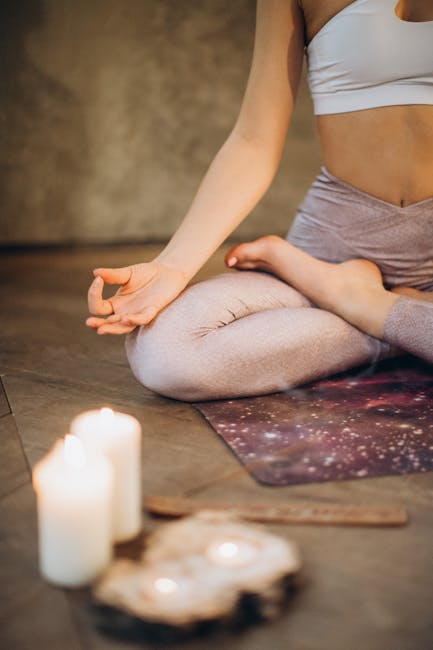
Preparation and Sacred Space: Most healers create a container for the work through prayer, intention-setting, or ritual. This may involve lighting candles, burning sage or incense, invoking spiritual guides, or simply entering a state of deep meditation. The purpose is to shift from ordinary consciousness to a healing state in which the healer becomes receptive to the flow of healing energy.
Connection: The healer connects with spiritual sources of healing: God, universal energy, spirit guides, angelic beings, or the patient's own higher self. This connection is the essential step that distinguishes spiritual healing from purely physical manipulation. Without this connection, the healer is working from their own limited energy rather than channelling something greater.
Transmission and Working: Healing energy flows through the healer to the patient, or the healer works directly on the patient's energy field to clear, balance, and restore. This may involve hands-on touch, hands hovering above the body, verbal communication with the patient's unconscious, shamanic journeying, or prayer. The healer follows the intelligence of the healing energy rather than imposing a predetermined plan.
Integration: The patient integrates the healing, which may take hours, days, or weeks. Changes at subtle levels gradually manifest in physical and psychological wellbeing. The integration period is often marked by vivid dreams, emotional releases, changes in appetite or sleep patterns, and a sense of internal reorganization. Patients should be encouraged to rest, drink water, and be gentle with themselves during this period.
Follow-up and Self-Care: Healing may require multiple sessions. The patient's own practices, including prayer, meditation, gentle movement, time in nature, and healthy lifestyle choices, support and maintain healing between sessions. The goal is to help the patient develop their own capacity for self-healing rather than creating dependence on the healer.
The Subtle Bodies and Their Role in Health
Most spiritual healing traditions recognize that the physical body is only the densest layer of a multi-dimensional human being. Understanding these subtler dimensions helps explain how spiritual healing works and why addressing only the physical body may be insufficient.
The Etheric Body (Energy Body): The nearest subtle body to the physical, the etheric body is understood as the template or blueprint that organizes and sustains physical form. In Chinese medicine, it corresponds to the meridian system through which chi flows. In Ayurveda, it relates to the pranamaya kosha (energy sheath). Steiner described the etheric body as the force that distinguishes living matter from dead matter. When the etheric body is strong, the physical body has vitality and resistance to disease. When it is weakened by exhaustion, poor diet, emotional stress, or environmental toxins, disease gains entry.
The Astral Body (Emotional Body): This body carries our emotions, desires, and passions. Chronic emotional states, unresolved grief, suppressed anger, persistent anxiety, and deep fear can create disturbances in the astral body that eventually manifest as physical symptoms. Psychosomatic medicine recognizes this connection, though it typically frames it in neurochemical rather than energetic terms. Many spiritual healers find that physical healing cannot proceed until the emotional roots of illness are addressed.
The Mental Body: Beliefs, thought patterns, and mental habits shape the mental body. Fixed beliefs about illness ("I always get sick"), negative self-talk ("I do not deserve health"), and traumatic memories held as thought-forms can all influence health at this level. Cognitive-behavioural therapy works partially at this level, though from a materialist framework.
The Spiritual Body (Causal Body): The deepest level of the human being, connected to the soul's purpose and karmic patterns. Illness at this level may relate to the soul's chosen lessons, unresolved patterns from previous incarnations, or disconnection from one's spiritual path. Healing at this level often involves a profound shift in identity, purpose, or relationship to life itself.
Steiner and Anthroposophic Medicine
Rudolf Steiner, working with physician Ita Wegman, developed anthroposophic medicine as an extension of conventional medical practice that incorporates understanding of the whole human being: physical body, etheric body, astral body, and ego-organization. This is not an alternative to conventional medicine but an expansion of it. Anthroposophic physicians complete full conventional medical training before specializing in the anthroposophic approach.
Steiner described illness as often relating to imbalances among the four bodies. The etheric body's weakness allows disease to enter at the physical level. Astral disturbances manifest as psychological conditions and can, over time, produce physical illness. The ego-organization's relationship to the lower bodies determines overall constitution and vulnerability to specific conditions.
Anthroposophic medicine uses several distinctive therapeutic approaches. Anthroposophic pharmaceuticals, often prepared through rhythmic processes that enhance their etheric qualities, address illness at multiple levels simultaneously. Eurythmy therapy uses specific movements to harmonize the relationship between the bodies. Rhythmic massage, art therapy (painting, clay modelling, music), and biographical counselling round out the therapeutic toolkit.
Anthroposophic hospitals and clinics operate in Germany, Switzerland, the Netherlands, and several other countries. Research published in peer-reviewed journals has shown positive outcomes for anthroposophic treatments in conditions including chronic pain, depression, cancer-related quality of life, and childhood infections. The Havelhoe Hospital in Germany, run entirely on anthroposophic principles, has operated for over a century.
Sound Healing and Vibrational Medicine
Sound has been used for healing since the earliest human cultures. Shamanic drumming, Gregorian chanting, Tibetan singing bowls, Indian ragas, and Indigenous healing songs all employ specific sounds and rhythms to shift consciousness and promote healing. The scientific basis for sound healing rests on the principle of resonance: every cell, organ, and system in the body has a natural vibratory frequency, and sound can influence these frequencies.
Research at institutions including the National Institutes of Health has investigated the effects of sound and music on health outcomes. Studies show that specific frequencies can reduce cortisol levels, lower blood pressure, decrease pain perception, and shift brainwave patterns toward states associated with relaxation and healing. The 528 Hz frequency, sometimes called the "love frequency," has been studied for its effects on cellular DNA, though this research is still preliminary.
Tibetan singing bowls produce complex harmonic overtones that create a field of sound around and within the body. Practitioners report that these sounds can be felt physically, as vibration, and subtly, as shifts in energy and consciousness. The bowls are tuned to correspond with specific chakras or energy centres, and a full sound bath can address the entire energy system.
Solfeggio frequencies, a set of ancient tones used in sacred music, have experienced renewed interest. Each frequency is associated with specific healing properties: 396 Hz for releasing fear, 417 Hz for facilitating change, 528 Hz for transformation and DNA repair, 639 Hz for connecting relationships, 741 Hz for awakening intuition, and 852 Hz for returning to spiritual order. While the scientific evidence for these specific claims varies, the general principle that sound affects physiology and consciousness is well established.
Cross-Traditional Healing Wisdom
When we survey healing traditions across cultures and centuries, certain universal principles emerge:
The Healer as Channel: No tradition claims that the healer is the source of healing. Whether the source is called God, Spirit, chi, prana, the Great Mystery, or universal life force, the healer serves as a vessel through which healing flows. This humility is not merely ethical but practical: healers who try to heal from their own energy quickly become depleted and may take on the conditions they are trying to heal.
The Primacy of Consciousness: Across traditions, consciousness, whether understood as intention, prayer, faith, or attention, is the essential ingredient in healing. Physical techniques matter, but they are secondary to the quality of awareness that the healer brings. A prayer offered with deep sincerity heals more than a ritual performed mechanically.
Healing as Restoration of Balance: Chinese medicine speaks of restoring the balance of yin and yang. Ayurveda aims to balance the three doshas. Indigenous traditions seek to restore harmony between the individual, community, and natural world. Western esotericism works to harmonize the subtle bodies. The language differs, but the principle is the same: health is balance, and illness is imbalance.
The Wounded Healer: Many traditions recognize that healers are often those who have themselves been deeply wounded and have found their way through suffering to a deeper understanding. The Greek myth of Chiron, the wounded centaur who became the greatest healer, expresses this archetype. The healer's own wounds, when consciously integrated, become the source of their compassion and their understanding of the healing process.
Nature as Healer: Nearly every tradition recognizes the healing power of the natural world. Forest bathing (shinrin-yoku) in Japan, vision quests in Indigenous traditions, nature retreats in monastic practice, and the prescription of outdoor activity in modern medicine all acknowledge that contact with the natural world restores something essential to human wellbeing. Research confirms this: studies show that time in nature reduces cortisol, improves immune function, decreases blood pressure, and enhances mood.
Becoming a Channel for Healing
Anyone can develop healing capacities. Some have natural gifts; others develop ability through training and practice. The following principles apply across traditions:
Cultivate Your Own Health: A clear, balanced energy field transmits healing more effectively than a depleted or imbalanced one. Work on your own physical, emotional, and spiritual health. This is not about perfection but about honest engagement with your own healing process. The most authentic healers are those who are actively working on their own growth.
Develop Spiritual Practice: Prayer, meditation, and contemplation strengthen connection with spiritual sources of healing. Regular practice creates a pathway through which healing energy can flow more easily. The quality of this connection determines the quality of the healing you can offer.
Study and Train: Various traditions offer formal training in specific healing modalities. Reiki training involves attunements that open the practitioner's energy channels. Shamanic training involves initiatory experiences under the guidance of experienced shamans. Anthroposophic medical training builds on conventional medical education. Learn from experienced practitioners within a legitimate lineage.
Practice with Humility: Healing ability develops through use. Begin with willing recipients, always with their informed consent. Keep notes on your experiences and observations. Seek supervision or mentorship. Never claim more than you can deliver, and always refer to conventional medical practitioners when appropriate.
Release Attachment to Outcomes: The healer channels healing but cannot guarantee results. Some conditions heal quickly; others do not. Some people are ready to heal; others are not. Release attachment to outcomes and trust the process. The healer's role is to offer the best they can; the outcome belongs to a wisdom greater than their own.
Practice: Self-Healing Meditation
Sit comfortably and close your eyes. Take several deep breaths, relaxing with each exhale. Place your hands on your heart. Imagine healing light, golden or white, entering through the crown of your head, flowing down through your body. Let this light fill your heart, then radiate outward to wherever healing is needed. Ask for divine healing presence to flow through you. Feel warmth, tingling, or other sensations as energy moves. Stay with this for 10 to 15 minutes. Trust that healing is occurring at whatever level is needed. When complete, offer gratitude. This practice can be done daily and adapted to send healing to others with their permission.
Practice: Grounding and Clearing
Stand barefoot on the earth if possible, or sit with feet flat on the floor. Imagine roots growing from the soles of your feet deep into the earth. With each exhale, release any tension, negativity, or stagnant energy down through the roots into the earth, where it is composted and transformed. With each inhale, draw fresh, clean earth energy up through your roots, filling your body with stability and strength. After five minutes, shift your attention to the crown of your head. Imagine clear light streaming down from above, washing through your entire body, clearing and cleansing every cell. Let this light flow down through your roots into the earth, creating a continuous circuit of heaven and earth energy flowing through you. This practice clears the energy field and prepares you for healing work.
Practice: Daily Healing Integration
Set aside 10 to 15 minutes each morning for this practice. Find a quiet space where you will not be disturbed. Begin with three deep breaths to centre yourself. Place one hand on your heart and one on your belly. Allow your attention to rest gently on the present moment. Scan your body for areas of tension, discomfort, or numbness. Without trying to fix anything, simply direct warm, compassionate attention to these areas. Imagine breathing directly into them. After several minutes, expand your awareness to include your emotional state. Notice any emotions present without judgment. Then expand further to include your sense of spiritual connection. Rest in this expanded awareness for several minutes. Close with a simple prayer or intention for healing in your life and in the world.
Ethics of Spiritual Healing
Spiritual healing, like any practice that involves vulnerability and trust, carries ethical responsibilities. The following principles should guide any healing practice:
Informed Consent: Always obtain clear permission before offering healing. Explain what you will do, what the person might experience, and what results can reasonably be expected. Never promise cures or guaranteed outcomes.
Complementary, Not Replacement: Spiritual healing should complement conventional medical care, not replace it. Never advise someone to stop medical treatment in favour of spiritual healing alone. The most responsible approach integrates both.
Boundaries: Maintain clear professional and personal boundaries. The healing relationship involves trust and vulnerability; this trust must never be exploited emotionally, financially, or sexually.
Humility: Acknowledge the limits of your ability and knowledge. Refer to other practitioners (conventional or complementary) when a condition is beyond your scope. The most respected healers are those who know when to say "I cannot help you, but I know someone who might."
Self-Care: Maintain your own health and spiritual practice. Healers who neglect their own wellbeing eventually become ineffective or harmful. Regular supervision, continuing education, and honest self-reflection are essential.
FAQ: Common Questions About Spiritual Healing
What is spiritual healing?
Spiritual healing addresses wellbeing at the level of spirit, energy, and consciousness. It works with the premise that disease often originates in spiritual or energetic imbalance before manifesting physically. It encompasses a wide range of practices including prayer, energy work, shamanic healing, and contemplative approaches, all sharing the principle that healing operates on dimensions beyond the purely physical.
How does spiritual healing work?
By channelling healing energy, removing blockages, restoring balance to subtle bodies, and connecting individuals with spiritual sources. The healer serves as a channel; healing comes from beyond them. The specific mechanism is understood differently across traditions but the practical approach is consistent: the healer enters a state of receptive awareness and allows healing intelligence to flow through them to where it is needed.
Can spiritual healing cure physical illness?
Many people report physical improvement through spiritual healing. Results vary and are not guaranteed. It is best viewed as complementary to conventional medicine, addressing dimensions that physical medicine may miss. The distinction between healing (restoring wholeness) and curing (eliminating disease) is important: spiritual healing may produce physical improvement, but its primary value lies in restoring wholeness at all levels.
What are different types of spiritual healing?
Major types include prayer healing, energy healing (Reiki, therapeutic touch, pranic healing), shamanic healing (soul retrieval, extraction), laying on of hands, sound healing (singing bowls, tuning forks, chanting), crystal healing, sacramental healing, and distant healing. Each tradition has specific methods, but all share the principle of working with spiritual or energetic forces to restore balance and wholeness.
Is there scientific evidence for spiritual healing?
As of 2024, 140 Reiki research papers have been published in peer-reviewed journals. Four published literature reviews conclude that Reiki is more effective than placebo in reducing pain and anxiety. A 2025 meta-analysis of randomized controlled trials found significant quality-of-life improvements. Research on prayer and distant healing shows mixed but sometimes positive results. The field is active and growing.
What is the difference between healing and curing?
Curing eliminates a specific disease. Healing restores wholeness at all levels, which may include physical improvement but also encompasses emotional resolution, spiritual growth, and renewed sense of meaning. One can be healed without being cured (finding deep peace despite ongoing illness) and cured without being healed (disease removed but underlying patterns unchanged).
How long does spiritual healing take?
This varies greatly. Some people experience immediate shifts in energy, pain, or emotional state. Others require multiple sessions over weeks or months. The depth and nature of the condition, individual receptivity, the specific modality used, and the skill of the healer all influence the timeline. The 2025 Reiki meta-analysis found that eight or more sessions produced the most significant results.
Can anyone learn spiritual healing?
Most traditions teach that healing ability is a natural human capacity that can be developed through training, practice, and spiritual development. Some individuals have stronger natural gifts, but the basic capacity exists in everyone. Reiki training, for example, is accessible to anyone and involves attunements that open the practitioner's energy channels regardless of prior experience.
Is distant healing real?
Multiple controlled studies have investigated distant healing with effects beyond chance in several cases. Larry Dossey reviewed over 130 studies on distant healing and found roughly half showing statistically significant effects. Quantum non-locality provides a theoretical framework for how such effects might operate, though this application remains speculative. The practice is taken seriously enough to be studied at major universities.
What is the role of intention in healing?
Intention appears to be central to all forms of spiritual healing. Research by William Tiller at Stanford demonstrated measurable effects of focused intention on physical systems. The healer's clear, compassionate intention creates the conditions for healing to occur. This aligns with findings in quantum physics suggesting that the observer's intention influences the behaviour of physical systems.
How does Reiki work?
Reiki practitioners channel universal life force energy (ki/chi/prana) through their hands to the recipient. The energy is understood to flow to where it is most needed, supporting the body's natural healing processes. Practitioners place their hands on or near specific body positions, typically remaining at each for several minutes. Clinical research shows benefits for pain, anxiety, sleep quality, and overall quality of life.
What did Rudolf Steiner teach about healing?
Steiner described illness as often relating to imbalances among the subtle bodies: etheric, astral, and ego-organization. Working with physician Ita Wegman, he developed anthroposophic medicine, which integrates conventional medical training with spiritual scientific understanding. This approach uses rhythmic processes in pharmaceutical preparation, eurythmy therapy, art therapy, and biographical counselling alongside conventional treatment.
What is spiritual healing?
Spiritual healing addresses wellbeing at the level of spirit, energy, and consciousness. It works with the premise that disease often originates in spiritual or energetic imbalance before manifesting physically.
How does spiritual healing work?
By channelling healing energy, removing blockages, restoring balance to subtle bodies, and connecting individuals with spiritual sources. The healer serves as a channel; healing comes from beyond them.
Can spiritual healing cure physical illness?
Many report physical healing through spiritual means. Results vary and are not guaranteed. It is best viewed as complementary to conventional medicine, addressing dimensions that physical medicine may miss.
What are different types of spiritual healing?
Prayer healing, energy healing (Reiki), shamanic healing, faith healing, laying on of hands, sound healing, and distant healing. Each tradition has specific approaches and understanding.
Is there scientific evidence for spiritual healing?
As of 2024, 140 Reiki research papers have been published in peer-reviewed journals. Four published literature reviews conclude that Reiki is more effective than placebo in reducing pain and anxiety. A 2025 meta-analysis showed significant quality-of-life improvements.
What is the difference between healing and curing?
Curing eliminates a specific disease. Healing restores wholeness at all levels, which may include physical improvement but also encompasses emotional resolution, spiritual growth, and renewed sense of meaning. One can be healed without being cured, and cured without being healed.
How long does spiritual healing take?
This varies greatly. Some experience immediate shifts; others require multiple sessions over weeks or months. The depth and nature of the condition, the individual receptivity, and the specific modality all influence the timeline.
Can anyone learn spiritual healing?
Most traditions teach that healing ability is a natural human capacity that can be developed through training, practice, and spiritual development. Some individuals have stronger natural gifts, but the basic capacity exists in everyone.
Is distant healing real?
Multiple controlled studies have investigated distant healing. While results are mixed, several peer-reviewed studies show effects beyond chance. Quantum non-locality provides a theoretical framework for how such effects might operate.
What is the role of intention in healing?
Intention appears to be central to all forms of spiritual healing. Research by William Tiller at Stanford demonstrated measurable effects of focused intention on physical systems. The healer's clear, compassionate intention creates the conditions for healing to occur.
How does Reiki work?
Reiki practitioners channel universal life force energy (ki/chi/prana) through their hands to the recipient. The energy is understood to flow to where it is most needed, supporting the body's natural healing processes. Clinical research shows benefits for pain, anxiety, and quality of life.
What did Rudolf Steiner teach about healing?
Steiner described illness as often relating to imbalances in the subtle bodies: etheric, astral, and ego-organization. His approach led to anthroposophic medicine, which integrates conventional medical training with spiritual scientific understanding of the human being.
Hands of Light: A Guide to Healing Through the Human Energy Field by Barbara Brennan
View on AmazonAffiliate link -- your purchase supports Thalira at no extra cost.
Sources and Further Reading
- Effects of Reiki therapy on quality of life: a meta-analysis of randomized controlled trials, Systematic Reviews, 2025. PMC
- Therapeutic effects of Reiki on interventions for anxiety: a meta-analysis, BMC Palliative Care, 2024. Springer
- Centre for Reiki Research, "Current Status of Reiki Research 2024." CRR
- Brennan, B.A. Hands of Light: A Guide to Healing Through the Human Energy Field (Bantam, 1988).
- Dossey, L. Healing Words: The Power of Prayer and the Practice of Medicine (HarperOne, 1993).
- Ingerman, S. Soul Retrieval: Mending the Fragmented Self (HarperOne, 1991).
- Steiner, R. and Wegman, I. Fundamentals of Therapy (Rudolf Steiner Press).
- Steiner, R. Spiritual Science and Medicine (Rudolf Steiner Press).
- Hermetic Clothes Collection